From Ancient Medicine to Modern Superfood
Beetroot wasn't always a salad staple. The ancient Romans used it as a medicinal tonic and an aphrodisiac (they believed the goddess Aphrodite ate beets to retain her beauty).
In the 19th century, its popularity skyrocketed when it was discovered that beets contain a high concentration of sugar, leading to the massive sugar beet industry. But today, we celebrate the "garden beet" for its incredible nutrient profile and its unique, earthy sweetness.
The Anatomy of a Beet
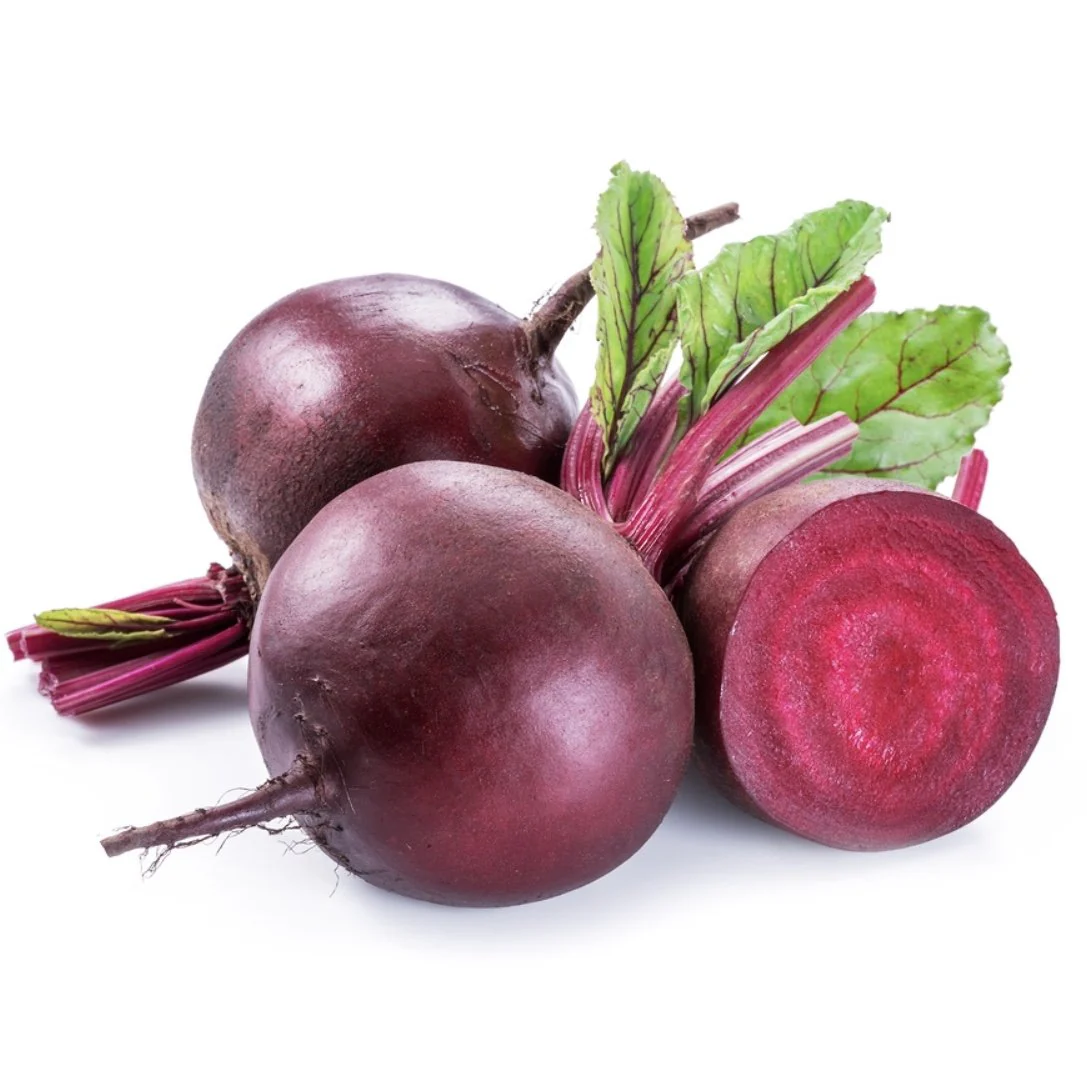
When you buy beetroot, you’re usually getting a "two-for-one" deal. Most people toss the tops, but they are missing out:
The Taproot (The Bulb): Sweet, crunchy when raw, and buttery when roasted. This is where the pigment betalain lives, which is a powerful antioxidant.
The Greens: Beet leaves are closely related to Swiss Chard. They are packed with Vitamin K and can be sautéed with garlic and olive oil just like spinach.
Why Athletes Love It
If you’ve noticed "beetroot shots" at your local gym or health food store, there’s a scientific reason for it. Beets are rich in natural nitrates.
When you eat them, your body converts those nitrates into nitric oxide, which relaxes and dilates your blood vessels. This improves blood flow, lowers blood pressure, and—most importantly for athletes—allows your muscles to use oxygen more efficiently. It’s nature’s legal performance enhancer!
Other Health Perks:
Fiber: Great for digestive health.
Folate (Vitamin B9): Crucial for cell growth and heart health.
Iron: Helps fight fatigue and supports red blood cell production.