A Little Slice of History
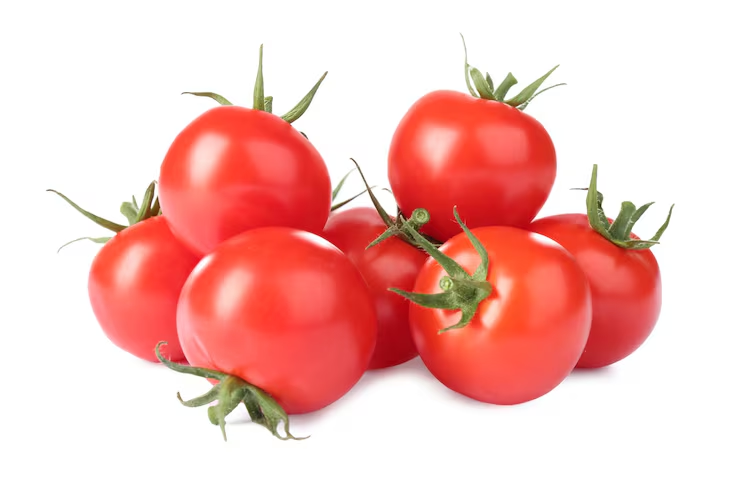
The tomato’s journey to your plate was a rocky one. Originally native to the Andes region of South America, they were first systematically cultivated by the Mexicans.
When Spanish explorers brought them to Europe in the 1500s, people were actually terrified of them. Because they belong to the nightshade family, many Europeans thought they were poisonous. In fact, for a long time, they were grown only as ornamental plants. It wasn’t until the 1800s that the world finally realized what it was missing and started putting them on the menu.
+2
More Than Just "Red"
If you only buy the standard red globes from the grocery store, you’re missing out on a rainbow of flavor. There are over 10,000 varieties of tomatoes worldwide!
Variety Best Use Flavor Profile
Roma Sauces, pastes, and canning Meaty with low moisture
Cherry/Grape Snacking and salads Super sweet and "poppable"
Heirloom Sandwiches and Caprese Complex, rich, and colorful
Green (Unripe) Frying and pickling Tart and very firm
The Ultimate Health Booster
Tomatoes aren't just tasty; they are a nutritional powerhouse. They are the primary dietary source of lycopene, an antioxidant linked to many health benefits, including reduced risk of heart disease and certain cancers.
+1
Pro Tip: While many nutrients are lost during cooking, lycopene actually becomes easier for your body to absorb after tomatoes are heated. So, go ahead and simmer that marinara!
Other benefits include:
Vitamin C: Boosts immunity and skin health.
Potassium: Helps manage blood pressure.
Vitamin K: Essential for bone health and blood clotting.