What is African Plum?
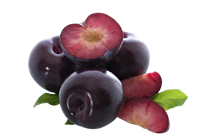
African Plum comes from the Dacryodes edulis tree and is widely cultivated in countries such as Cameroon, Nigeria, Gabon, and Congo. The fruit is oval-shaped with dark purple or bluish skin and soft green flesh inside.
Unlike many sweet fruits, African Plum has a rich, buttery taste that becomes even softer and creamier when roasted or warmed.
Nutritional Value of African Plum
African Plum is highly nutritious and packed with essential nutrients that support overall health. It contains:
Healthy natural fats
Dietary fiber
Vitamins A, C, and E
Calcium and magnesium
Antioxidants
Plant-based oils
These nutrients help improve digestion, strengthen immunity, support healthy skin, and provide energy for the body.
Health Benefits
Supports Heart Health
The healthy oils and fatty acids found in African Plum may help maintain good heart health and balanced cholesterol levels.
Boosts Energy
African Plum is naturally rich in nutrients and calories, making it an excellent energy-boosting food.
Good for Digestion
Its fiber content helps support healthy digestion and proper bowel movement.
Rich in Antioxidants
The fruit contains antioxidants that help protect the body from harmful free radicals and support overall wellness.
How African Plum is Eaten
One of the most popular ways to enjoy African Plum is by roasting or warming it over heat for a few minutes. The fruit softens into a buttery texture and is commonly eaten with:
Bread
Boiled maize
Cassava
Rice dishes
Traditional African meals
Some people also use it in sauces, spreads, and oils.
Farming and Cultivation
African Plum trees grow best in tropical climates with warm temperatures and regular rainfall. The trees are important for local agriculture because they provide both food and income for farming communities.
The fruit is usually harvested during the rainy season and sold fresh in local markets across many African countries.
Why African Plum is Special
African Plum is more than just a fruit — it is a traditional food deeply connected to African culture and daily life. Its unique flavor, creamy texture, and impressive nutritional value make it a truly special tropical fruit worth discovering.
As global interest in natural and healthy foods continues to grow, African Plum is gaining recognition as one of Africa’s hidden nutritional treasures.